

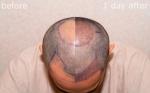
A hair transplant can be a life-changing decision, especially if you're struggling with thinning or receding hair. If you've recently undergone the procedure in the UK, you might be feeling excited about your new look but also wondering how to maintain your results. The journey doesn't end when you leave the clinic; it's just beginning. Proper aftercare is crucial for ensuring that your investment pays off and that your new hair thrives.
At Want Hair Ltd, we understand how important it is to maintain those hard-earned results. Whether you're looking for tips on daily care or seeking advice on lifestyle adjustments, we've got you covered. Let's dive into what it takes to nurture your newly transplanted locks so they stay healthy and vibrant for years to come!
Understanding Hair Transplantation
Hair transplantation is a surgical procedure designed to restore hair in areas experiencing thinning or balding. The process involves relocating healthy hair follicles from donor sites, often at the back of the head, to areas with sparse hair.
There are two primary techniques: Follicular Unit Extraction (FUE) and Follicular Unit Transplantation (FUT). FUE extracts individual follicles, leaving minimal scarring. FUT involves removing a strip of skin with follicles and then dissecting it into smaller grafts.
A successful transplant not only relies on skilled hands but also on understanding your unique hair type and growth patterns. This personalised approach helps achieve natural-looking results that blend seamlessly with existing hair.
As you explore this option, it's essential to choose an experienced clinic in the UK that prioritises patient care and satisfaction. Your journey begins well before the first incision is made; knowledge about what lies ahead can make all the difference.
The Importance of Proper Aftercare
After undergoing a hair transplant in the UK, proper aftercare is crucial for achieving optimal results. The initial weeks post-surgery are vital as your scalp begins to heal and new hair follicles take root.
Following your surgeon's instructions can significantly impact the success of your procedure. This includes avoiding strenuous activities that might compromise blood flow to the scalp. Gentle handling of your hair during washing and drying is also essential.

Keeping the transplanted area clean helps prevent infections, which can jeopardise growth. Using prescribed shampoos and following specific washing techniques ensures that you nurture rather than irritate sensitive skin.
Moreover, patience plays a key role in this journey. Hair growth takes time, and adhering to an aftercare routine will help foster healthy development while keeping you focused on long-term results.
Tips for Maintaining Results
To maintain the results after a hair transplant in the UK, consistency is key. Begin by adhering to your surgeon's aftercare instructions closely. This sets a strong foundation for recovery.
Gentle handling of your scalp during this period is crucial. Avoid vigorous rubbing or scratching, as it can disrupt the healing process and affect hair growth.
Regularly schedule follow-up appointments with professionals at Want Hair Ltd. They can monitor your progress and address any concerns promptly.
Incorporate nourishing foods into your diet rich in vitamins A, C, D, E, and biotin. These nutrients support healthy hair follicles and promote growth.
Hydration plays a significant role, too; drink plenty of water daily to keep your scalp hydrated from within.
Manage stress effectively through practices like meditation or yoga since high-stress levels can hinder optimal results over time.
Recommended Products and Treatments for Post-Transplant Care
After a hair transplant in the UK, choosing the right products is crucial for optimal recovery. Look for gentle shampoos specifically formulated for sensitive scalps. These will help cleanse without irritating newly transplanted follicles.
Consider topical treatments containing minoxidil. This can encourage hair growth and strengthen existing strands. Always follow your physician's advice on when to start using such products.
Nourishing serums rich in vitamins can also be beneficial—ingredients like biotin and keratin support overall scalp health, promoting robust hair development.
Don't overlook the importance of hydration. A good quality conditioner can add moisture and protect against dryness, which is vital after surgery.
Supplements may play a role, too. Hair-specific multivitamins or omega-3 fatty acids enhance growth from within by providing essential nutrients needed during recovery.
Lifestyle Changes to Support Hair Growth
Lifestyle changes can play a significant role in supporting hair growth after a hair transplant in the UK. Nutrition is vital; focus on a balanced diet rich in vitamins and minerals. Foods high in iron, zinc, and omega-3 fatty acids can promote healthier hair.
Hydration shouldn't be overlooked either. Drinking plenty of water helps maintain scalp moisture, creating an ideal environment for new hair to thrive.
Regular exercise boosts blood circulation, which nourishes the follicles. Aim for activities that you enjoy to make this sustainable.
Stress management is equally important. High stress levels can lead to hair loss or slow recovery post-transplant. Incorporate relaxation techniques such as yoga or meditation into your routine.
Limit alcohol consumption and quit smoking if possible. Both habits have been linked to poor skin and follicle health, which can affect the overall results of your transplant procedure with Want Hair Ltd.
Addressing Potential Complications
While many individuals enjoy successful hair transplant outcomes, it's essential to be aware of potential complications. These can arise during the healing process or months after the procedure.
One common issue is infection. It's crucial to keep your scalp clean and follow your surgeon's post-operative care instructions diligently. If you notice increased redness or swelling, seek medical advice promptly.
Another concern is shock loss, where existing hair may temporarily fall out following surgery. This can be alarming, but it usually resolves within a few months as new growth begins.
Some patients experience an uneven distribution of hair in the transplanted area. Regular follow-ups with your clinic can help monitor progress and address any discrepancies early on.
Always communicate openly with your healthcare provider about any unusual symptoms or concerns that arise after your hair transplant in the UK. Being proactive ensures better management of these potential complications.
Conclusion
Maintaining the results of your hair transplant in the UK is essential for long-term success. Understanding the process, investing time in proper aftercare, and making lifestyle adjustments can significantly enhance your outcomes.
Choosing quality products and following established guidelines will support healthy hair growth post-transplant. Addressing any complications immediately helps ensure a smooth recovery.
By prioritising these elements, you set yourself up for lasting confidence and satisfaction with your new look. Embrace this journey with care and dedication to enjoy beautiful results for years to come. Want Hair Ltd is here to assist you every step of the way as you embark on this transformative experience.